Chemical safety stories
The ranking reflects growing buyer demand for integrated EHS systems that link worker safety, chemicals oversight and operational risk in one platform.
New guidance says tank farms need a third line of defence, or spills and firefighting run-off could escape bunds and spread beyond site.
More than a third of farm safety checks found hazardous substances management needed improvement, WorkSafe says.
Safer sites and stronger wellbeing were rewarded as construction teams and leaders were honoured for cutting risk and driving change.
Businesses face new compliance guidance as WorkSafe begins consulting on three draft industry-led approved codes of practice.
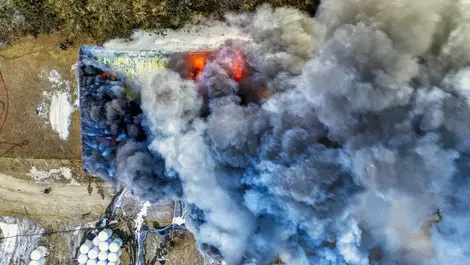
Poorly coded rules leave factories and hazardous sites exposed when floods, quakes or storms trigger fires, explosions or toxic leaks.
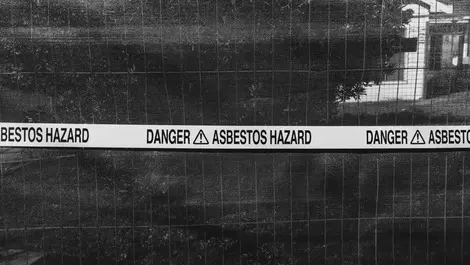
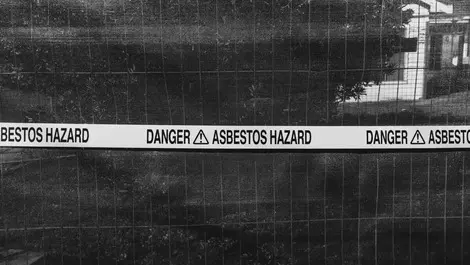
Asbestos still claims about 220 lives a year in New Zealand, making proper identification on older worksites crucial to prevent exposure.
Poorly controlled dust can trigger serious lung disease, but WorkSafe says the right industrial vacuum can keep it contained.
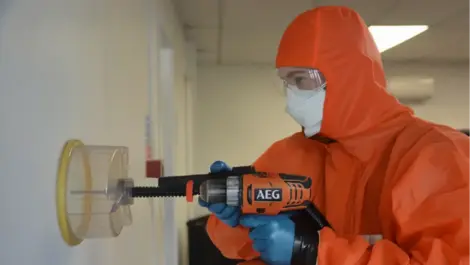
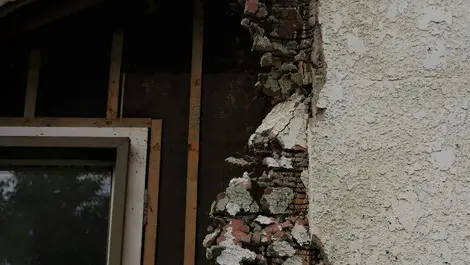
Buildings erected before 2000 are most at risk, as WorkSafe's new guide aims to help surveyors spot asbestos and prevent unsafe exposure.
Frustrated employers could soon get clearer chemical safety guidance as WorkSafe NZ weighs a more supportive role and updated industry codes.
Two workers have described flashbacks, burns and lasting trauma after being overcome by hydrogen sulphide at a Greymouth waste site.
Customers may have been exposed to unsafe asbestos handling after a project manager used a firm's name to pocket NZD $21,938.75.
New Zealand employers can face wider safety duties than many realise, covering mental health, training, equipment and worker accommodation.
New Zealand’s 545,000 small businesses could gain cheaper chemical compliance if ministers revive industry codes of practice, the sector says.
The safeguard deal follows eye burns to a worker and will see Ecostore spend more than GBP £160,000 on AI alerts, training and PPE.
Choosing PPE without matching it to jobsite hazards can leave tradespeople exposed to injury, chemicals and fines.
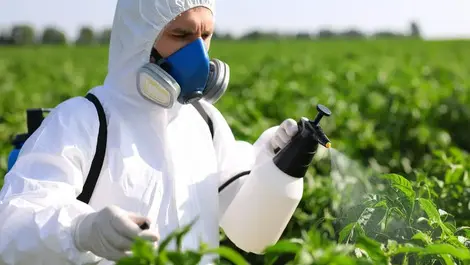
Workers could face tighter protection from pesticide residues, as WorkSafe consults on new exclusion periods and updated guidance.
Worker exposure to silica will be tighter from July, as Australia rolls out new rules backing the engineered stone ban and broader material controls.
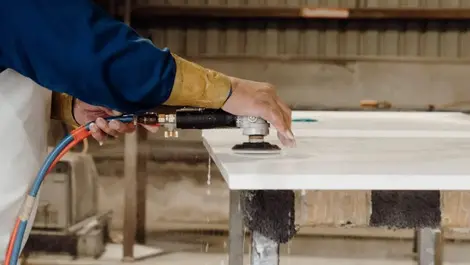
Calls are growing for New Zealand to follow Australia and ban the material, as experts warn silica dust can cause fatal lung disease.
Preventable asbestos disease still kills about 220 people a year, prompting WorkSafe to warn tradies and businesses after fresh prosecutions.